

Common Symptoms of a TMJ Disorder
Headaches, jaw pain, clicking, ear pain… you’re not imagining it.
Do these TMJ symptoms sound familiar?
TMJ problems can show up in more ways than you’d expect. Common symptoms include:
Schedule your personalized TMJ evaluation with Dr. Herber
-
TMJ-related headaches often feel like tension or pressure and may be worse in the morning or after a long day. If headaches keep coming back despite treatment, the jaw joint may be contributing more than you realize.
-
A sore, tired, or aching jaw that feels stiff, gets “stuck,” or doesn’t open and close smoothly can be a sign of TMJ inflammation or dysfunction.
-
Clicking, popping, or grinding sounds in the jaw aren’t normal, even if they don’t hurt at first. These noises can indicate joint strain or imbalance that may worsen over time.
-
TMJ inflammation can radiate into the cheeks, temples, or around the eyes. Facial pain may feel dull, sharp, or tight and is often misdiagnosed as sinus or nerve pain.
-
Jaw dysfunction can affect posture and muscle balance in the neck and shoulders. Chronic tightness or stiffness in the neck may be your body compensating for TMJ strain.
-
A sore, tight, or “lump in the throat” feeling can sometimes be related to jaw tension or TMJ inflammation. When the muscles around the jaw and neck are overworked, discomfort may radiate into the throat and surrounding areas.
The good news: TMJ issues are often treatable without surgery or more medications. The first step is getting the right diagnosis.
Why TMJ symptoms can be so frustrating
If you’ve been dealing with daily headaches or jaw discomfort that never fully goes away, it can feel exhausting. Many people don’t realize these symptoms can be connected to TMJ (temporomandibular joint) inflammation, even when dental checkups look “normal.”
TMJ discomfort is sneaky. It can mimic migraines, ear infections, sinus issues, or general stress. Many patients spend years trying different approaches without anyone looking at the TMJ as a main trigger.
That’s why a focused TMJ evaluation matters. It helps confirm whether the joint is involved, and what’s actually driving your symptoms.
What happens during your TMJ evaluation?
Your evaluation is designed to be clear, helpful, and low-pressure. We’ll:
Talk through your symptoms and history
Evaluate your bite, jaw joint function, and signs of inflammation
Help confirm whether TMJ is likely the root cause
Explain next steps and treatment options (including non-surgical, medication-free options)

Dr. Erich W. Herber D.D.S
Over 30 years of experience treating TMJ
Common questions about TMJ symptoms
Why does my jaw click, pop, or lock?
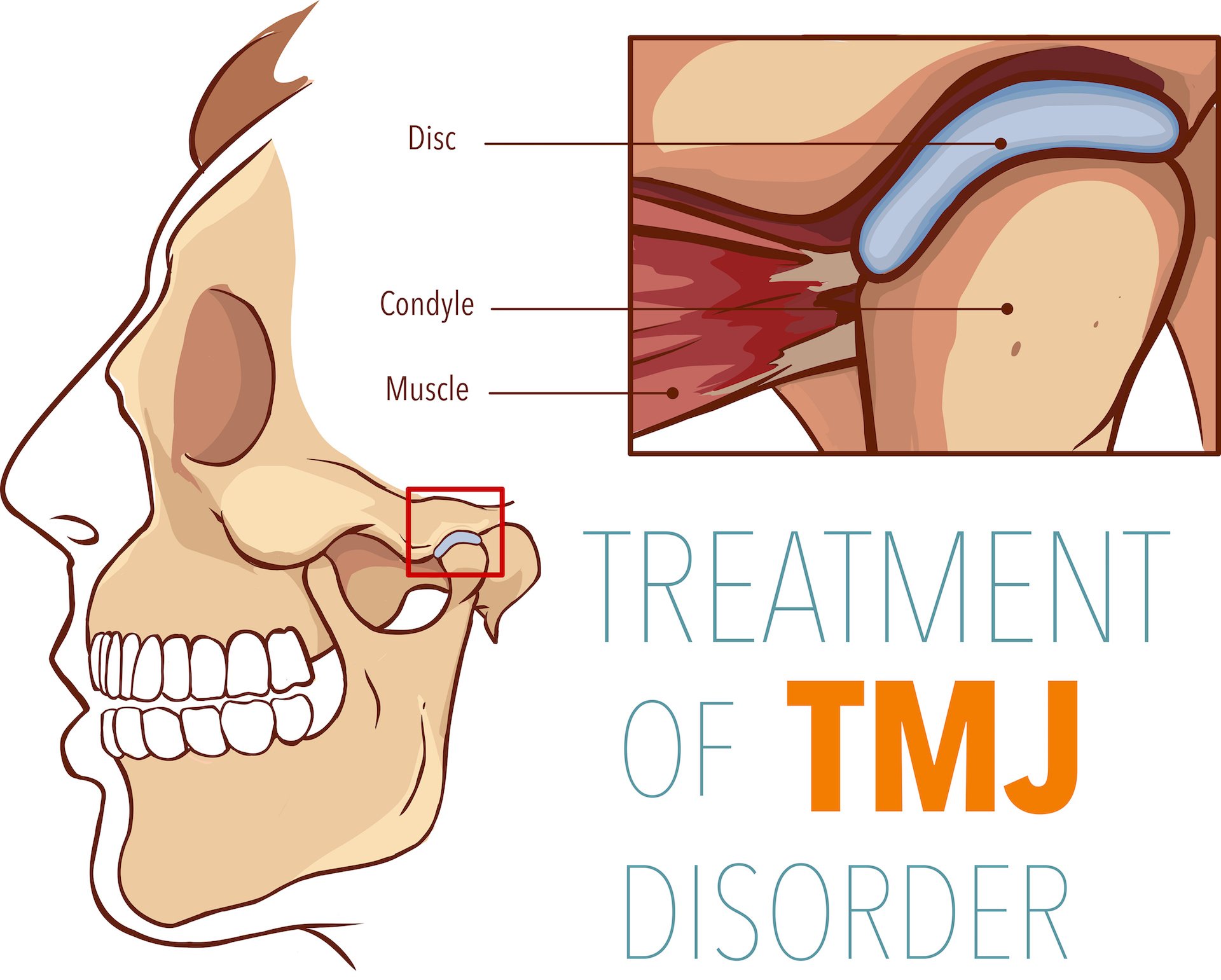
Each of those sounds tells you something a little different about the joint. A click or a pop when you open wide, yawn, or bite into something means the small disc that cushions the joint is sitting slightly out of place, and the joint snaps past it as you move. Locking goes a step further: the disc now blocks the joint, so the jaw catches partway open or will not open all the way. Plenty of people notice the sound for years without any pain, then a stressful stretch or a long dental appointment brings on soreness. The noise itself is not the problem. It is the sign that the joint has stopped tracking the way it should.
Should I wait and see whether the clicking goes away on its own?
Most people do wait, which makes sense when the noise does not hurt. The trouble is that a joint which is not tracking correctly keeps wearing on itself. An occasional click can become daily soreness, a smaller opening, or a jaw that catches, and by that point the muscles around it have usually spent months compensating. An exam early tells you whether anything needs treating, and that is an answer worth having before the symptoms make the decision for you.
Can TMJ cause headaches?
Headaches are the reason many TMJ patients finally end up in a dental chair rather than another doctor's office. The muscles that close your jaw run up the side of your head and attach near your temples, so when they stay clenched they ache the way any overworked muscle aches, and that ache spreads across the temples, the forehead, and sometimes the back of the head. The pattern tells you more than the pain does. Headaches that are worst first thing in the morning, that build through a day of talking and chewing, or that arrive alongside a tender spot just in front of your ear point at the jaw rather than at anything inside your head.
Why does my ear hurt when nothing is wrong with my ear?
The jaw joint sits directly in front of the ear canal, so inflammation in the joint often feels like ear pain, fullness, or ringing. Patients frequently see a physician first, learn the ear is clear, and leave without an explanation. Repeated ear pain with no infection is one of the clearest signs the joint deserves a look.
Is my headache a migraine or is it my jaw?
You may not have to choose between them, because a lot of people have both, and jaw tension can set off a migraine in someone already prone to them. A jaw-driven headache still behaves differently. It tends to be waiting for you when you wake up, it eases and returns with chewing and talking instead of arriving in distinct attacks, and pressing the muscle just in front of your ear reproduces it. Migraine more often brings nausea, light sensitivity, or visual changes, and it comes in episodes with clear starts and stops. If your headaches track with your jaw, an exam can tell you how much of the picture the joint explains.
Can TMJ cause neck and shoulder pain?
Yes. The muscles that position the jaw connect into the neck and upper back, and they work as a system. Chronic clenching keeps that whole chain contracted, which is why many TMJ patients also carry constant neck tightness and shoulder pain. Treating the jaw often eases the neck as well.
Why do my symptoms get worse in the morning?
Morning jaw pain and morning headaches usually point to something happening during sleep rather than during the day. Clenching, grinding, and airway-related jaw repositioning all happen while you are unconscious and can load the joint for hours. If your symptoms are worst when you wake and ease as the day goes on, mention that at your evaluation.
How do I know if my symptoms are actually TMJ?
You will not know for certain without an exam, because TMJ symptoms overlap with migraines, sinus problems, and ear infections. A focused TMJ evaluation checks the joint, the bite, and the surrounding muscles together and tells you whether the joint is the source. A personalized TMJ evaluation with Dr. Herber is $97, and if you decide to move forward with treatment, that $97 is credited toward it. Call 951-795-4833 to schedule, or request an evaluation online.